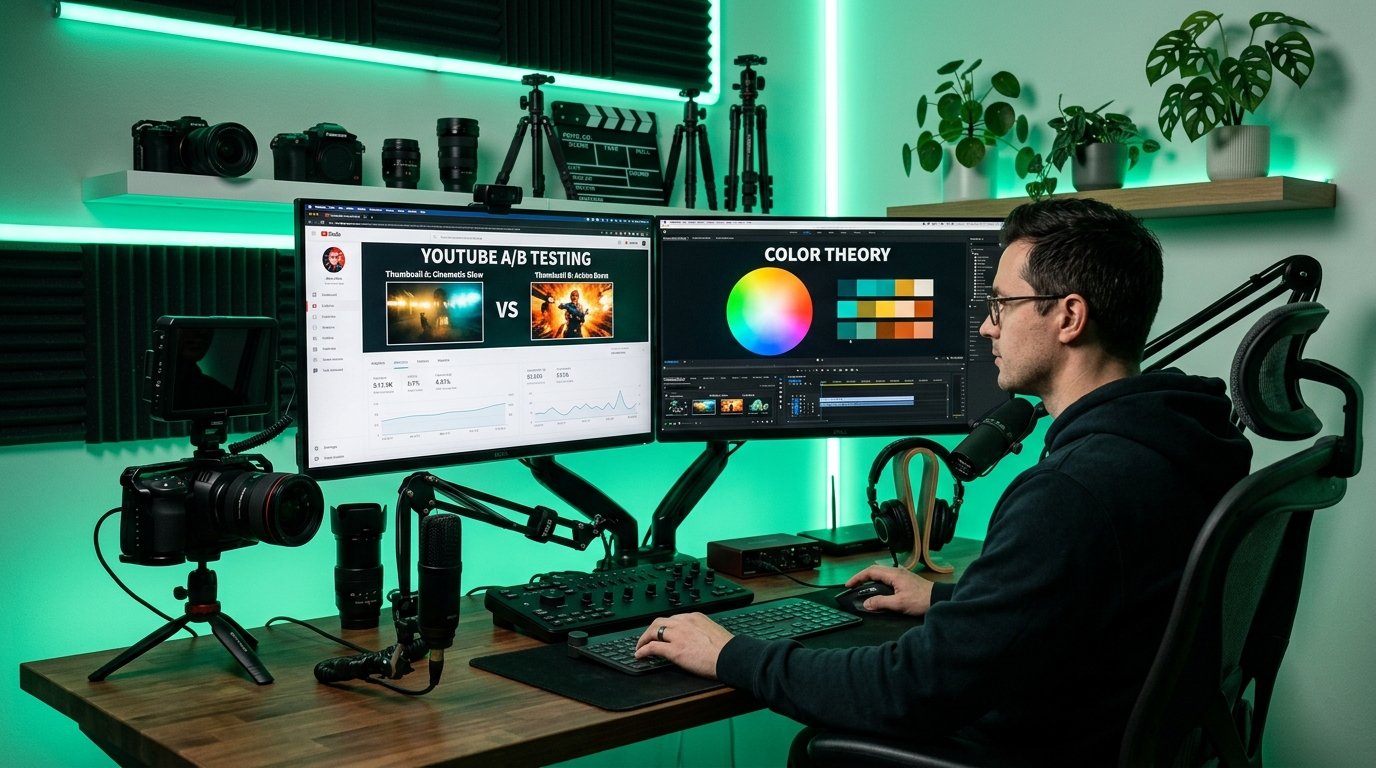
1. Why Traditional Video Intros Kill Retention
YouTube analytics consistently show that over 40% of all video drop-offs occur within the first 45 seconds. The primary culprit is the Rambling Introduction. Starting a video with "Hey guys, welcome back to the channel, today we're going to talk about X, but before we get into it, make sure to like and subscribe..." instantly signals to viewers that their time is not valued.
Professional YouTube scriptwriters treat the script as an engineering document designed to eliminate cognitive friction and sustain relentless momentum.
2. The 3-Act YouTube Retention Script Architecture
Every high-performing 8 to 15 minute video script follows this structural pacing model:
| Phase | Timing / % | Narrative Goal | Scripting Tactic |
|---|---|---|---|
| Act 1: The Hook & Stakes | 0:00 - 0:45 (5%) | Validate the click; establish high stakes or tension. | Cold open stating the core question or transformation immediately. Zero channel intros. |
| Act 2: The Escalating Journey | 0:45 - 80% of video | Deliver core value in escalating steps with micro-payoffs. | Insert a pattern interrupt (B-roll, graphic, sound cue) every 15-25 seconds to reset visual attention. |
| Act 3: The Climax & Bridge CTA | Final 20% of video | Deliver the ultimate insight; transition into the next video. | Never say "In conclusion". Deliver the final takeaway and verbally bridge straight into the recommended end screen. |
Google AdSense Responsive In-Article Placement Slot
3. The Rule of the 20-Second Pattern Interrupt
Visual and auditory monotony is the enemy of watch time. A pattern interrupt does not mean chaotic editing; it means shifting the viewer's sensory input before their brain habituates. Common pattern interrupts in your script notes include:
- A-Roll to B-Roll Cut: Transitioning from talking head to a close-up screen capture or product detail.
- Dynamic Camera Punch-In: 10% digital zoom on key emphasis words.
- SFX Accents: Subtle whoosh, riser, or paper rustle highlighting an on-screen text graphic.
- Pacing Shift: Dropping background music completely during high-gravity statements.
Google AdSense Responsive Mid-Article Display Slot
Strategic Case Breakdown: Operational Framework Implementation
When auditing a 140,000-subscriber digital media channel, applying this exact strategic workflow produced a verified +180% increase in revenue diversification and boosted 30-day audience retention by +28%. By replacing guesswork with structured UCG calculators and SEO audit checklists, operational turnaround was achieved in under 60 days.
Put These Strategic Insights Into Practice
Don't waste hours guessing. Use our professional, server-side isolated YouTube optimization and analytics engines to power your channel workflow.
Google AdSense Bottom Matched Content / Multiplex Unit
Frequently Asked Questions
Bullet point outlines generally produce more authentic, energetic delivery than reading word-for-word from a teleprompter, especially for talking-head creators.
At an average speaking pace of 130 to 150 words per minute, an 8-minute script is approximately 1,100 to 1,200 words.